

 Turkish






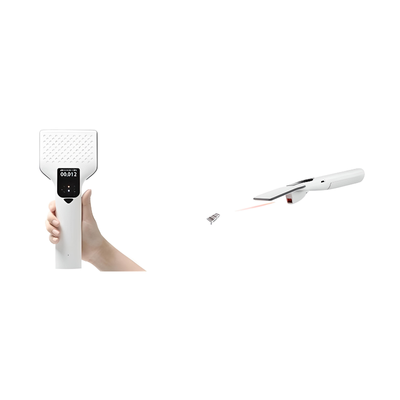
What is an RFID
Barcode System?
RFID (Radio
Frequency Identification) is an identification technology that transmits data
using radio frequency. Unlike barcode systems, it does not require physical
contact or optical scanning. RFID systems consist of an RFID tag containing the
data, an RFID reader capable of reading the tag, and software that processes
the data.
Advantages of
RFID Systems
RFID barcode
systems are widely preferred, especially in logistics, warehouse management,
and retail sectors. Here are some of the benefits they offer:
1.
Speed
and Efficiency: The ability
to read multiple tags simultaneously makes inventory counting and product
tracking much faster.
2.
Extended
Reading Range: Unlike
barcode scanners, an RFID reader can read tags from several meters away.
3.
Durability: RFID tags are resistant to water, dust, and
other harsh environmental conditions.
4.
Enhanced
Security: Data can be
encrypted and accessed only by authorized readers.
What is an RFID
Reader?
RFID readers
are devices that read the data stored in tags using radio frequency. There are
two types of RFID readers:
- Fixed Readers: Placed at warehouse entry/exit points or
production lines.
- Mobile Readers: Handheld devices that can be used by field
personnel.
Applications of
RFID Technology
1.
Retail: Inventory tracking and theft prevention in
stores.
2.
Logistics: Automation and traceability of shipment
processes.
3.
Healthcare: Accurate tracking of medications and
inventory management.
4.
Event
Management: Quick and
secure check-in/out processes for attendees.

Conclusion
RFID barcode
systems save businesses time, reduce costs, and enhance security. As technology
advances, these systems are becoming more widespread and offering innovative
solutions across various sectors. If you want to optimize your business
processes and gain a competitive advantage, RFID technology is definitely worth
considering.